“tree needs” search results (5000)

What are the categories of coffee? Coffee trees can be roughly divided into five types.
Coffee trees can be roughly divided into five types, of which Arabica and Robusta are more common. Arabica species, which account for more than 70% of the world's total output, are generally grown on slopes above 900 meters above sea level and are mostly found in tropical high-altitude areas such as Central and South America, East Africa, Southeast Asia and Hawaii. Its pleasant aroma, rich taste, and the need for this tree species
2015-08-03 Coffee what kind roughly divided into five kinds coffee roughly divided into five kinds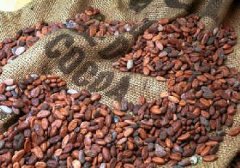
Arabica coffee beans mature from June to August.
Every winter (dry season) is the harvest period of coffee beans, coffee trees after three to four years of growth, gradually mature, began to bear fruit, fruit next to the branches arranged in a string or cluster. Coffee beans wrapped in red skin inside, as soon as red can be picked. Most Arabica beans mature between June and August, and Roberto beans between September and October. Therefore,
2015-10-07 Coffee beans harvesting processing rabbi maturity June-August annual winter dry season
The planting conditions of coffee trees the types of coffee trees
The Robastian coffee tree, which originated in the Congo in Africa, accounts for about 20% of the world's production. 30%. Robasta coffee tree is suitable for planting in the lowlands below 500 meters above sea level, has strong adaptability to the environment, can resist bad climate, resist diseases and insect pests, and does not need much manual care during soil preparation, weeding and pruning, and can be allowed to grow in the wild. It is easy to cultivate.
2016-06-06 Coffee cultivation conditions species Robbas Bath Origin Africa just
Coffee knowledge Coffee growth cycle and picking
Coffee beans are the seeds of coffee trees. After three or four years of growth, the coffee tree matures and begins to bear fruit, with one fruit arranged in clusters or clusters along the branches. The outside of the seed is a layer of peel, which can be picked as soon as it turns red. Under the red skin (exocarp) there is a layer of pulp (mesocarp), which is a small thin layer, and then a layer of material endocarp like parchment. In
2014-09-16 Coffee knowledge coffee growth cycle coffee picking
Coffee bean harvesting and processing Fine coffee bean processing
Every winter (dry season) is the harvest period of coffee beans, coffee trees after three to four years of growth, gradually mature, began to bear fruit, fruit next to the branches arranged in a string or cluster. Coffee beans wrapped in red skin inside, as soon as red can be picked. Most Arabica beans mature between June and August, and Roberto beans between September and October. Therefore,
2015-02-16 coffee beans harvest processing boutique method annual winter dry season
The way coffee beans are treated after picking.
Every winter (dry season) is the harvest time for coffee beans. After three to four years of growth, coffee trees mature and begin to bear fruit. The fruits are arranged in a string or clustered together next to the branches. Coffee beans are wrapped in red skins and can be picked as soon as they turn red. Most Arabica coffee beans mature from June to August and Roberts coffee beans from September to October. therefore,
2015-02-16 Coffee beans picking processing after way year winter dry season coffee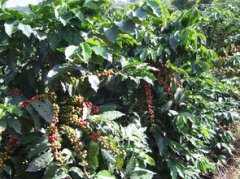
Coffee knowledge what conditions are needed for coffee cultivation
There is a noun called Coffee Belt. There are more than 60 coffee producing countries in the world, most of which are located in the tropics and subtropics between the Tropic of Cancer (latitude 2326). This coffee growing area is called a coffee belt or coffee area (Coffee Zone). The annual average temperature of the coffee belt is above 20 ℃, because the coffee tree is a tropical plant, and if the temperature is below 20 ℃,
2015-03-06 Coffee knowledge cultivation needs what conditions there is a noun called coffee.
Planting techniques of small Coffee trees in Yunnan: irrigation and fertilization
Fertilization is one of the key measures for high yield of cultivated coffee. According to the data, for every 1 kg of dried beans harvested, coffee trees absorb 70 grams of nitrogen, 14 grams of phosphorus and 76 grams of potassium from the soil.
2014-09-02 Coffee knowledge small grain coffee coffee tree planting techniques irrigation fertilization
Introduction of Coffee Grinding degree characteristics, Taste and Flavor description in Lazimus Manor, Colombia
Arabica species (scientific name Coffee Arabica) have to be mentioned in Colombian coffee species. Arabica coffee trees grow between 900m and 2000 m above sea level; they are hardy, and the suitable growth temperature is 1524 ℃; they need more humidity, and the annual rainfall is not less than 1500 ml. At the same time, they also require higher cultivation techniques and conditions. So now you can understand.
2016-10-15 Columbia Raz Moss Manor Coffee Grinding Features Taste Flavor drawing
The method of picking coffee beans
The winter (dry season) is the harvest time for coffee beans. After three to four years of growth, coffee trees mature and begin to bear fruit. The fruits are arranged in a string or clustered together next to the branches.
2014-09-02 Coffee knowledge methods of picking coffee beans
Harvesting of coffee beans
Every winter (dry season) is the harvest period of coffee beans, coffee trees after three to four years of growth, gradually mature, began to bear fruit, fruit next to the branches arranged in a string or cluster. Coffee beans wrapped in red skin inside, as soon as red on
2014-06-05 Coffee beans coffee beans harvest
It takes 6 to 9 months from fruit to maturity of coffee tree, and the harvest season must be dry season.
(1) the seedling stage is the period from the germination of seeds (or cuttings or grafting) to the emergence of seedlings (the stage of raising seedlings in the nursery), about 0.5-1.5 years. After the coffee seeds were sown, the cotyledons began to be unearthed after a period of germination, which took about 30-100 days, and the length of time was closely related to temperature and humidity. Cotyledons must be removed after germination
2016-10-18 Coffee fruit ripening need 9 months harvest season certain dry
How to pick coffee and how to deal with it before it becomes a raw coffee bean?
When the fruit of the coffee tree is picked, the four layers of skin wrapped around the coffee beans need to be removed in order to finally get the coffee beans needed. There are two main methods to remove the outer epidermis of coffee beans: wet treatment and dry treatment. 1. Wet treatment: wet treatment is also called Washed Bean, and coffee beans processed in this way are called water-washed beans.
2016-05-24 Coffee how picking should processing will become raw beans coffee trees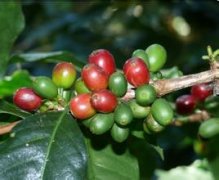
The growth cycle and picking of high-quality coffee
Coffee beans are the seeds of coffee trees. After three or four years of growth, the coffee tree matures and begins to bear fruit, with one fruit arranged in clusters or clusters along the branches. The outside of the seed is a layer of peel, which can be picked as soon as it turns red. Under the red skin (exocarp) there is a layer of pulp (mesocarp), which is a small thin layer, and then a layer of material endocarp like parchment. In
2015-01-07 Boutique coffee growth cycle picking coffee beans knots past year's
Introduction of American Hawaiian coffee beans with moderate acidity of volcanic black mud
The quality of the fine Kona coffee is suitable for the right geographical location and climate. Coffee trees grow on the slopes of volcanoes, and their geographical location ensures the altitude needed for coffee to grow; the dark volcanic ash soil provides the necessary minerals for coffee. This is probably due to the fact that Kona Island is rich in volcanic black mud with moderate acidity, rich mineral content and suitable water content. Parallel
2016-06-21 Volcano acidity medium USA Hawaii Coffee Bean introduction Fine Pine Coffee
The establishment of a coffee garden
1. The environmental conditions of land selection, planning and reclamation are closely related to the growth and development of coffee, which should be determined according to the growth habits and environmental requirements of coffee. Try to avoid choosing lowlands where cold air is easy to accumulate and condense frost; coffee roots are good, so choose well-drained and loose soil; coffee needs a calm wind environment, so in areas where there is no primary forest, consideration should be given to planning windbreaks.
2014-06-16 Coffee knowledge coffee garden coffee encyclopedia
Hawaiian Kona Coffee Flavor Taste Estate Introduction Hawaiian Fine Coffee Bean
Excellent quality Kona coffee is suitable for the right location and climate. Coffee trees grow on volcanic slopes, and their location ensures the altitude at which coffee grows; dark volcanic ash soils provide the minerals coffee needs. This is probably due to Kona's abundance of volcanic black mud, which is moderately acidic, mineral-rich, and contains the right amount of water. and
2016-07-22 Hawaii Kona Coffee Flavor Taste Manor Region Introduction Boutique
Coffee fruit harvest time when coffee trees are harvested in different regions
The vast majority of coffee fruits are picked manually. In order to ensure the quality of coffee, pickers need to identify which fruits are suitable for harvest and pick them one by one from the tree, which takes a lot of energy and time. In this era when the tide of science and technology is sweeping in, such humane manual work is very precious. (due to different planting areas, the receiving time also changes.)
2016-05-14 Coffee harvest time different region when most coffee classics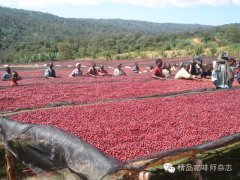
Coffee beans harvesting Coffee beans harvesting
Coffee beans are the seeds of coffee trees. After three to four years of growth, coffee trees mature and begin to bear fruit, one fruit after another arranged in clusters or clusters along the branches. The seed is covered with a peel that can be picked as soon as it turns red. Below the red skin (exocarp) is a layer of flesh (mesocarp), inside is a small thin layer, and further inside is a layer like parchment
2016-05-31 coffee beans picking harvest coffee tree knot aged raw
Hawaiian Kona Coffee Flavor with excellent taste introduction to boutique coffee beans in manor area
The quality of the fine Kona coffee is suitable for the right geographical location and climate. Coffee trees grow on the slopes of volcanoes, and their geographical location ensures the altitude needed for coffee to grow; the dark volcanic ash soil provides the necessary minerals for coffee. This is probably due to the fact that Kona Island is rich in volcanic black mud with moderate acidity, rich mineral content and suitable water content. Parallel
2016-08-09 Excellent taste Hawaii Kona coffee flavor manor producing area characteristics boutique